Developing a chatbot, especially one powered by artificial intelligence online chat, starts with understanding its purpose. Is your chatbot for casual online talking AI or advanced customer support? Will it serve as a knowledge assistant or handle real-time queries? Once you define the chatbot’s objectives, choosing the right programming language and chatbot development becomes easier.
Behind every efficient AI chatbot online is a blend of technology and creativity. The programming language determines the bot’s ability to process natural language, integrate seamlessly with platforms, and deliver a smooth chat with AI experience.
Key Factors for Choosing a Programming Language
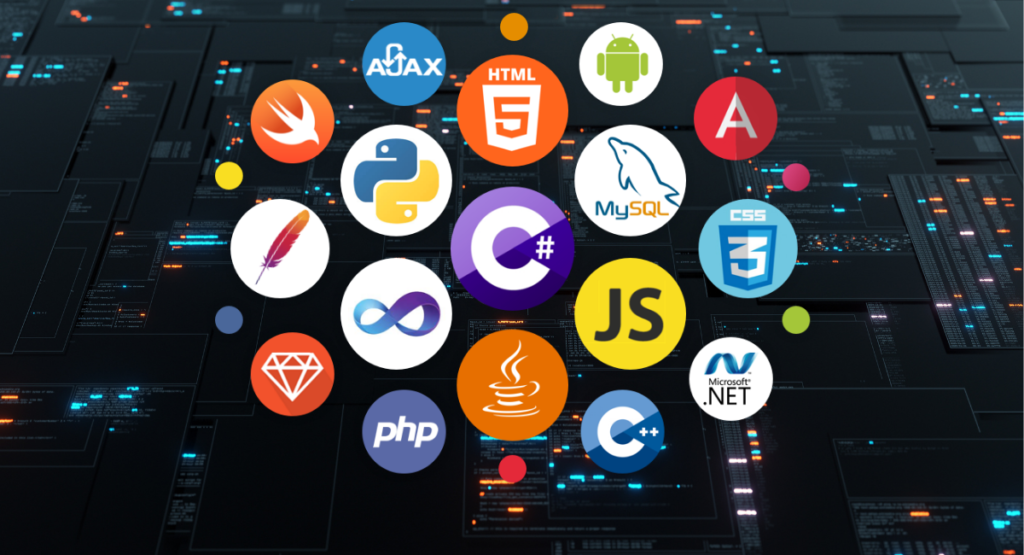
When deciding which programming language to use for developing an AI chatbot, consider the following factors:
Ease of Learning:
- User-friendly languages like Python are ideal for beginners due to their simple syntax.
- Extensive online resources and tutorials make it easier to learn and troubleshoot.
- Choosing an accessible language reduces development time for less experienced teams.
Integration Capabilities:
- Compatibility with databases ensures smooth storage and retrieval of user data.
- Support for APIs allows the bot to interact with external platforms and tools.
- Frameworks like Flask (Python) or Node.js (JavaScript) streamline chatbot development.
AI and NLP Support:
- Access to robust libraries such as TensorFlow, SpaCy, and NLTK enables advanced AI features.
- Languages with strong natural language processing (NLP) support improve conversational accuracy.
- Machine learning integration helps your online talking AI become smarter over time.
Performance:
- High-performance languages like C++ handle resource-intensive tasks efficiently.
- For real-time interactions, responsive languages like JavaScript ensure minimal lag.
- Optimizing performance is crucial for bots handling large user bases simultaneously.
Scalability:
- Scalable languages like Java are suitable for enterprise-grade bots managing high traffic.
- Ensure the language supports future growth as your AI chatting online gains popularity.
- Cloud-compatible options simplify scaling by leveraging services like AWS or Google Cloud.
Python Chatbot Development
Python stands out as a favorite for AI chat developers. Its simplicity makes it accessible to beginners, while its extensive libraries cater to advanced developers.
For chatbots, Python offers tools like TensorFlow and PyTorch for deep learning, NLTK and SpaCy for natural language processing (NLP), and Flask or Django for building web applications. This combination allows developers to create bots that not only engage in online chat with AI but also learn and adapt over time.
For instance, a Python-powered chatbot AI could help a healthcare platform answer patient queries. By leveraging machine learning models, the bot improves its responses, becoming more accurate with each interaction.
JavaScript for Chatbot Development
JavaScript is an excellent choice for web-based chatbots, making it ideal for businesses that want an online talking AI integrated into their website. Its versatility lies in its ability to handle both frontend and backend tasks using frameworks like Node.js.
JavaScript enables real-time communication, which is essential for an engaging AI chatting online experience. Tools like Botpress simplify chatbot creation, offering pre-built modules for dialogue management and user interaction.
An example is an artificial intelligence chat system embedded in an e-commerce site, helping shoppers find products or track orders without needing to navigate through pages.
Java: Powering Enterprise-Grade Chatbots
Java has long been a trusted language for robust, scalable applications. For enterprise-grade chatbot AI, Java provides stability and performance, making it a popular choice among large organizations.
Its platform-independent nature means your bot can run seamlessly across devices, ensuring consistent performance. Libraries like Apache OpenNLP help with natural language understanding, while Java’s extensive security features make it suitable for sensitive tasks like banking or healthcare AI chat systems.
Imagine a financial institution deploying a Java-based chatwith AI that assists customers with balance inquiries and secure transactions. This bot handles thousands of concurrent users without compromising speed or accuracy.
Ruby: Simple Yet Powerful
Ruby is often chosen for quick development and prototypes. Its clear syntax allows developers to create basic AI chatbot online applications without diving into overly complex code.
Using Ruby on Rails, developers can rapidly build and deploy chatbots, making it a preferred choice for startups or small businesses. While it might not be as powerful as Python or Java for advanced AI tasks, Ruby excels in creating conversational bots for casual interactions.
For instance, a Ruby-based bot could facilitate online chatting AI for a local bookstore, helping customers find available titles or place orders with ease.
C++: For Performance-Driven Chatbots
If performance is a top priority, C++ delivers unmatched speed and efficiency. It’s less commonly used for chatbot development due to its complexity, but for resource-intensive applications, C++ is a strong contender.
A C++ chatbot AI might excel in scenarios like real-time gaming environments, where latency can make or break the user experience. Its low-level memory control also ensures stability, making it ideal for bots requiring constant uptime and fast processing.
PHP: Backend Support for Chatbots
PHP is a reliable backend language that integrates well with databases, making it suitable for online chat with AI solutions. It’s often used in conjunction with web applications where the chatbot needs to store and retrieve user data efficiently.
A PHP chatbot could be deployed on a customer service portal, using a database to remember returning users’ preferences and provide personalized support. While PHP may not have extensive AI libraries, it pairs well with other tools to create functional bots.
R and MATLAB: Statistical Modeling for Chatbots
For bots requiring statistical analysis or data-driven responses, R and MATLAB are excellent choices. These languages are not typically used for general-purpose AI chatbot development but shine in research-focused or analytical scenarios.
For instance, a MATLAB-powered AI chat bot might analyze customer feedback in real time, helping businesses refine their strategies. Similarly, R can be used to develop a chatbot that predicts user behavior based on historical data.
Comparing Frameworks and Libraries Across Languages
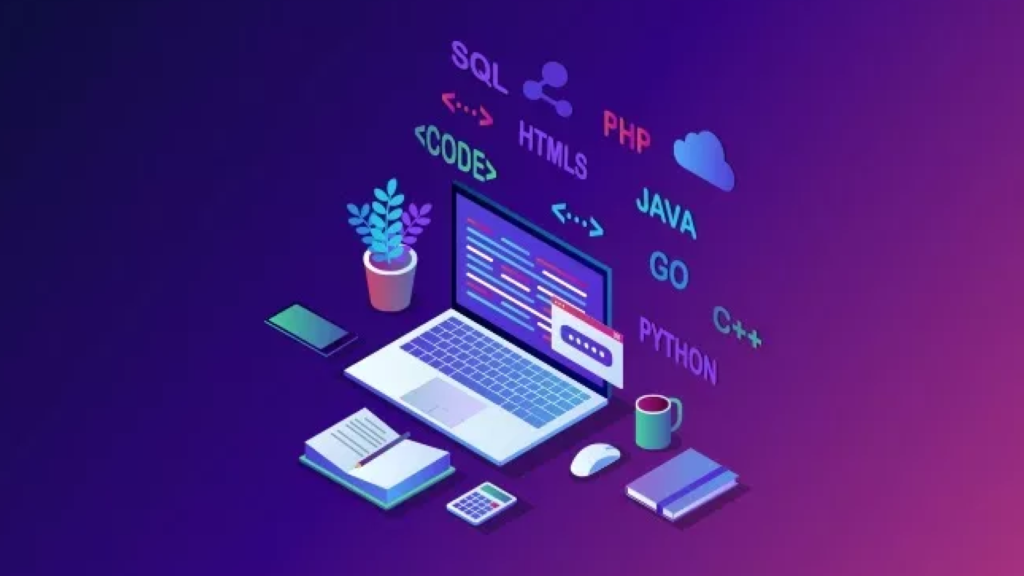
While the programming language lays the foundation, frameworks and libraries add the finishing touches. Each language offers unique tools that streamline chatbot AI development:
- Python: TensorFlow, Keras, Flask, NLTK
- JavaScript: Botpress, Microsoft Bot Framework
- Java: Apache OpenNLP, Spring Boot
- Ruby: Rails, Wit.ai
- PHP: Laravel, BotMan
Emerging Languages for Chatbot Development
The world of AI chatting online is constantly evolving, with new programming languages and tools emerging to meet growing demands. Languages like Go and Kotlin are gaining traction for their efficiency and modern features.
For example, a Go-based chatwith AI system could deliver high performance in microservices architecture, while Kotlin might be ideal for building AI chat apps on Android devices.
Conclusion

Selecting the best programming language for your AI chatbot depends on your specific needs, resources, and goals. If you prioritize simplicity and powerful AI capabilities, Python is an excellent choice. For web-based chatbots, JavaScript leads the way. Enterprise solutions benefit from Java, while Ruby and PHP cater to smaller-scale projects.
No matter which language you choose, the key is to understand your audience and ensure your chatbot delivers a seamless chat with AI experience. By leveraging the strengths of each programming language, you can create bots that transform the way people interact with technology, making every online chat with AI engaging, intuitive, and impactful.
If you need help with Chatbot Development, feel free to contact us at headhoncho@aichatbots.coach.
AI Chatbots Coach empowers coaches, trainers, and businesses to design intelligent, goal-driven AI chatbots. From initial planning to final deployment, we provide expert strategies and hands-on support to ensure your conversational AI is a success.
We don’t just build bots—we create experiences that engage, inform, and reflect your brand. If you’re ready to move beyond generic virtual assistants, we’ll help you bring your vision to life.
FAQs
1. What is the best programming language for building an AI chatbot?
The best programming language for building an AI chatbot depends on your goals, but Python is often the top choice. It’s easy to learn, even for beginners, and has powerful libraries like TensorFlow, NLTK, and SpaCy that help the chatbot understand and respond like a real person. If you’re creating a smart AI chatbot that learns over time or needs to handle lots of questions, Python is a great fit.
Other popular languages include:
- JavaScript – best for website-based chatbots and real-time chatting.
- Java – great for enterprise-level bots that need strong performance and security.
- Ruby or PHP – ideal for small business bots or quick prototypes.
So, if you’re asking, “Which language is best for chatbot AI?”, Python is usually the answer — especially if you’re just getting started or want access to advanced AI features.
2. How do I choose the right programming language for my chatbot?
To choose the right language for your chatbot, start by asking what your bot will do. Is it for fun chats, customer support, or data-heavy tasks?
Here’s what to think about:
- Ease of use: If you’re new, try Python—it’s beginner-friendly with lots of tutorials.
- Where it will live: Making a chatbot for a website? JavaScript is great for that.
- AI and NLP features: Want your bot to understand and learn from conversations? Choose a language like Python that supports machine learning and natural language processing (NLP).
- Scalability and performance: For big apps or lots of users, Java or C++ offer speed and stability.
- Quick builds: If you’re testing ideas fast, Ruby or PHP help you build simple chatbots quickly.
Pick the language that fits your team’s skills and your chatbot’s goals. That’s the secret to a successful AI chatbot development project.
3. Can I build a chatbot with JavaScript for my website?
Yes! JavaScript is one of the best languages to build a chatbot for your website. It works on both the front-end (what users see) and the back-end (server-side), which makes it perfect for live web chats.
With tools like Node.js and Botpress, you can:
- Create fast, real-time conversations
- Connect your bot to customer service systems
- Use pre-built tools to save time
- Add features like product search or order tracking
JavaScript chatbots work smoothly in browsers and can respond right away, which improves the overall AI chatting online experience. If your goal is to have a smart, helpful bot directly on your site, JavaScript makes it easy and efficient.
4. Why is Python so popular for AI chatbot development?
Python is popular for chatbot AI development because it’s simple to use and very powerful. Whether you’re just starting out or building an advanced bot, Python has what you need.
Here’s why developers love it:
- Easy to read: Python’s clean syntax makes writing and understanding code simple.
- Powerful libraries: Tools like TensorFlow, Keras, NLTK, and SpaCy help your bot understand natural language and get smarter over time.
- Great community: Lots of tutorials, forums, and support mean you can find help easily.
- Quick integration: With frameworks like Flask or Django, you can connect your chatbot to websites, apps, and databases fast.
So, if you’re searching for “what’s the best AI language for chatbot development,” Python checks all the boxes for smart, scalable, and easy chatbot building.